Practical guide · Tourism in Basra
Last updated: September 2026 · By the Traveler.sa Destinations Team · Reading time: 9 minutes
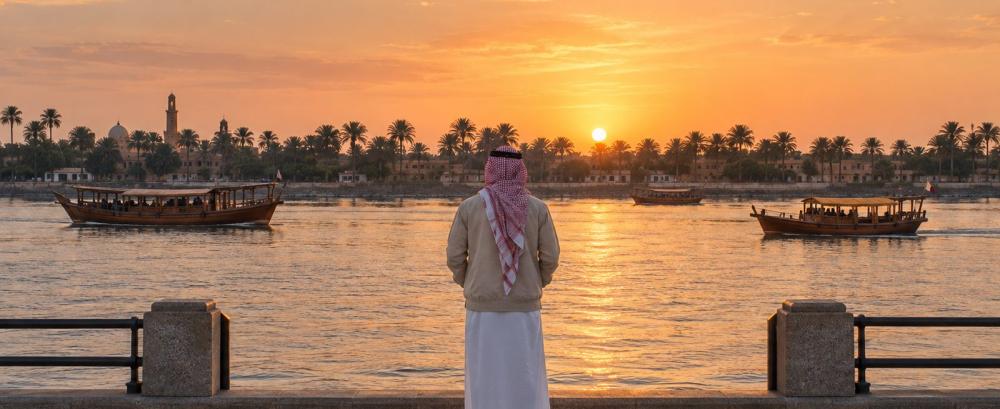
Tourism in Basra is a different experience close to the Kingdom. Basra is Iraq’s port on the Shatt al-Arab and a city with a long history in literature and trade. It combines riverfronts, heritage houses and the unique nature of the Marshes, but visiting it requires advance planning for entry requirements and getting around. In this guide you will find quick facts in one table, a 3-day itinerary, the most famous places and dishes, and an approximate cost in SAR.
The short answer
Saudi citizens usually get a visa on arrival at Basra Airport under the instructions announced in 2025, but you must verify this before traveling and check the travel advisories of the Saudi Ministry of Foreign Affairs. The currency is the Iraqi dinar (one riyal is about 349 dinars). Two to three days are enough for the Corniche, the shanashil, the museum and a trip to the Marshes. The approximate cost of four days at summer season prices is 2,600 to 5,400 for a young traveler and 5,000 to 10,200 for a couple, including flights, and the best time to visit is November to March.
Destination card
Quick facts about Basra for Saudis
What you need to know before booking, in one table:
| Item | Details |
|---|---|
| Visa | Instructions announced since March 2025 allow GCC citizens, including Saudis, a visa on arrival at Basra and Najaf airports. Check the Iraqi e-visa portal before traveling; residents should check the requirements for their nationality. |
| Travel advisories | Check the guidance of the Saudi Ministry of Foreign Affairs before booking and right before traveling, and follow it. |
| Flight time | From Riyadh: there are currently no regular direct flights, so about 4–6 hours with one stop (usually in Doha, Dubai or Bahrain); from Jeddah: about two and a half hours direct on limited Iraqi Airways flights, or 4–6 hours with one stop. |
| Currency | The Iraqi dinar (IQD); one riyal is roughly 349 dinars. Cash is essential, and cards have limited acceptance. |
| Mobile networks | Zain Iraq, Asiacell and Korek. Or get an Arab countries eSIM before you travel. |
| Time difference | None; Iraq is on the same time as Saudi Arabia. |
| Electricity | 230 volts, with British and European sockets common, so bring a universal adapter. |
| Language | Arabic in the southern Iraqi dialect, easy for Saudi visitors to understand. |
| Best time | November to March; summer is extremely hot. |
| Halal food | Food is generally halal throughout the city. |
General information updated as of September 2026. The exchange rate is approximate and changes, and entry requirements may change without prior notice. Flight times are approximate and vary by departure city, airline and stopover.
Second
Before you decide to travel: entry and safety
The first step before any booking is to check the entry requirements from the official source. The instructions announced in 2025 allow GCC citizens to get a visa on arrival specifically at Basra and Najaf airports, which does not necessarily mean the same procedure is available at every land border crossing, so check the crossing you will enter through. Also make sure your passport is valid for long enough, and keep your hotel booking and return ticket.
As for safety, the reference is the official travel advisories issued by the Saudi Ministry of Foreign Affairs, which may change with developments. Follow them before booking and a few days before traveling, and abide by them. In the city, rely on a well-known hotel and a trusted driver or guide recommended by the hotel, agree on the route in advance, and avoid random trips or going to areas your local companion does not know.
Practical tip
Save the numbers of the Saudi embassy in Baghdad and the relevant consulate on your phone before traveling, and keep a digital copy of your passport, visa and bookings.
Ready-made itinerary
3-day Basra itinerary
Two to three days are usually enough for the city plus a trip to the Marshes. This itinerary balances history, nature and markets without exhaustion, and starts outdoor activities early in the morning or before sunset to avoid the heat.
| Day | Destination | Suggested program |
|---|---|---|
| Day 1 | The Old City and the museum | Basra Museum in the morning, then a walking tour among the shanashil, and in the evening a stroll on the Shatt al-Arab Corniche and a short boat ride. |
| Locations on Google Maps: Basrah Museum · Shatt al-Arab Corniche | ||
| Day 2 | Qurna and the Marshes | An early start toward Qurna to see where the Tigris and Euphrates meet, then a boat tour in the Marshes with a local guide, returning before evening. |
| Locations on Google Maps: Al-Qurnah · Mesopotamian Marshes | ||
| Day 3 | Markets and departure | A tour of the Ashar market and the date and spice markets to buy gifts, and flexible time to rest before departure. |
| Location on Google Maps | ||
Only have two days? Combine the museum, the shanashil and the Corniche on the first day, devote the second to the Marshes, and buy dates on the way back.
Fourth
The Shatt al-Arab Corniche
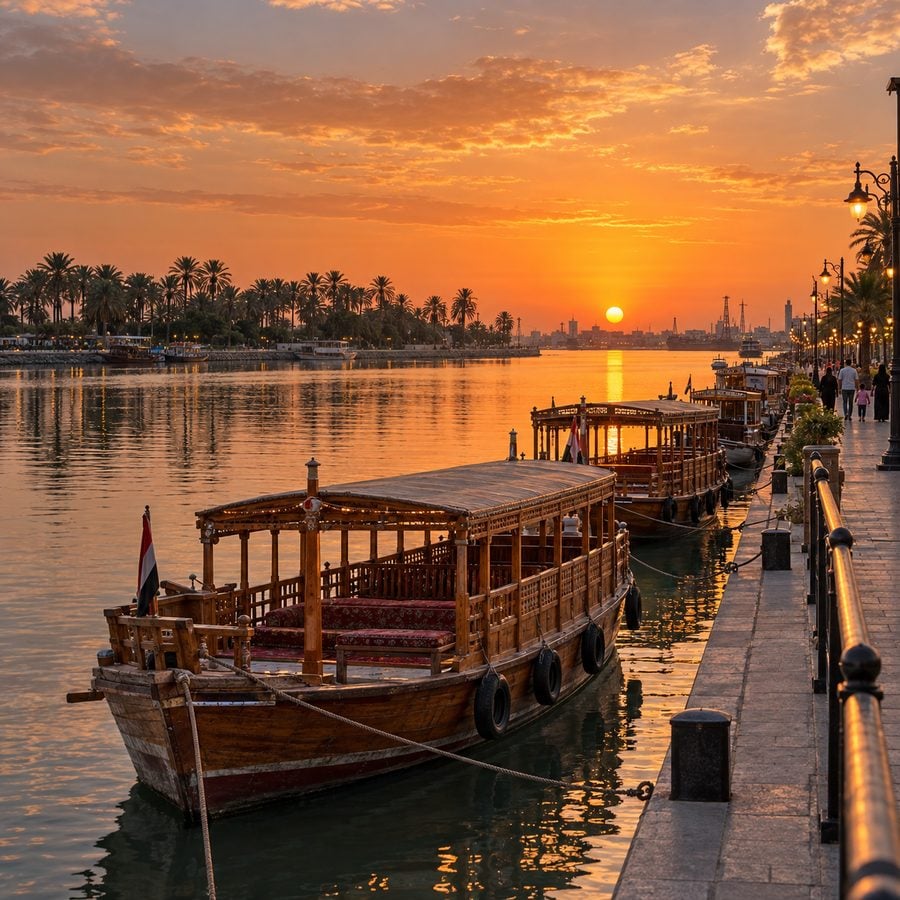
The riverfront is the first place most visitors to Basra go, and it is ideal for evening strolls and boat rides. It is home to the statue of the poet Badr Shakir al-Sayyab, one of the city’s most prominent literary symbols. It is usually busy in the evenings and on holidays, with cafes and vendors everywhere, making it a good chance to get to know the city’s atmosphere and its people.
The best time for a stroll is at and after sunset, when the heat eases. Agree on the length and details of the boat ride before boarding, and carry enough water if you visit the Corniche during the day.
Fifth
The most famous tourist places in Basra
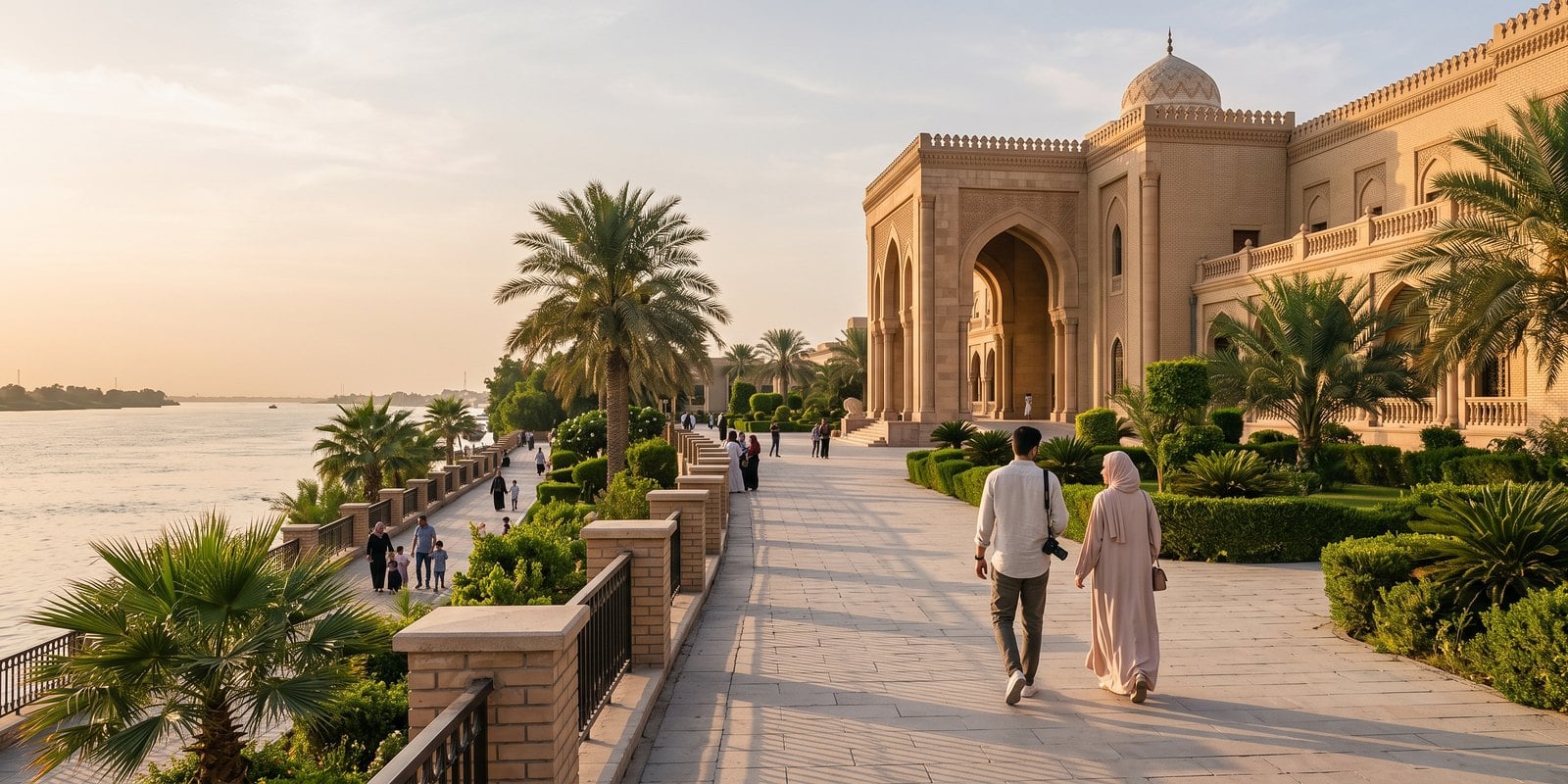
Basra Museum: check visiting hours before going, and allow at least two hours.
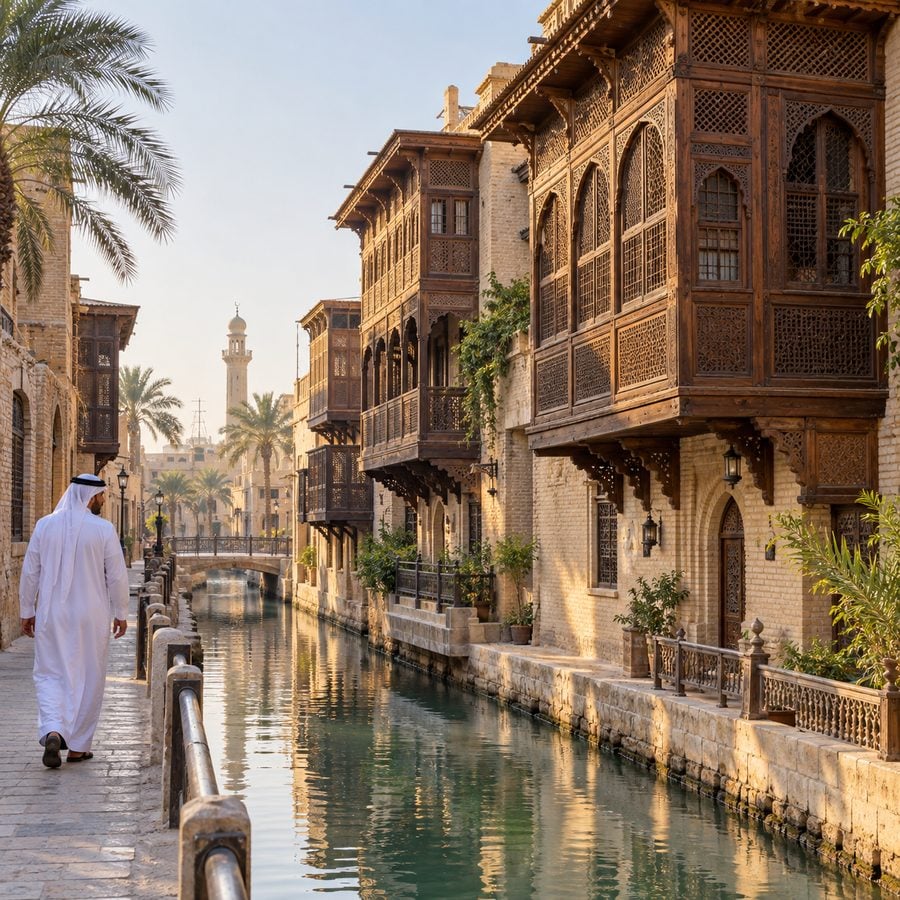
The shanashil Heritage houses with ornate wooden balconies on the banks of small canals, among the finest reflections of the city’s old architectural character. Walking among them gives you a picture of Basra’s past life, when it was a trading port where ships and goods met. They are best visited in the morning, when the light is good for photography and the weather is pleasant for walking.
Some houses are inhabited or privately owned, so ask permission before taking close-up photos, stick to public alleys, and ideally walk with a local guide who knows the houses’ history and stories. The following table lists the top sights and why they deserve a place in your itinerary:
| Place | Area | Why visit |
|---|---|---|
| Shatt al-Arab Corniche | City center | An evening stroll, a boat ride and the Sayyab statue. |
| Locations on Google Maps: Shatt al-Arab Corniche · Al-Sayyab Statue | ||
| The shanashil and Old Basra | Old Basra | Heritage architecture with ornate wooden balconies. |
| Location on Google Maps | ||
| Basra Museum | On the Shatt al-Arab | Artifacts from the civilizations of Mesopotamia that give context to the rest of your tours. |
| Location on Google Maps | ||
| Qurna | North of Basra | Where the Tigris and Euphrates meet to form the Shatt al-Arab. |
| Location on Google Maps | ||
| The Marshes | Southern Iraq | Waterways, reeds and birds, listed as a World Heritage site. |
| Location on Google Maps | ||
| Ashar market and the date markets | Ashar | Dates, spices, gifts and the feel of everyday life. |
| Location on Google Maps | ||
Basra Museum houses artifacts from the civilizations of Mesopotamia, so set aside part of your first day for it, and confirm visiting hours through your hotel or guide, as they may change during occasions and holidays. In Qurna the Tigris and Euphrates rivers meet to form the Shatt al-Arab, and you can combine a visit there with a Marshes trip in one day with a trusted driver or tour company.
Sixth
The Marshes: unique nature
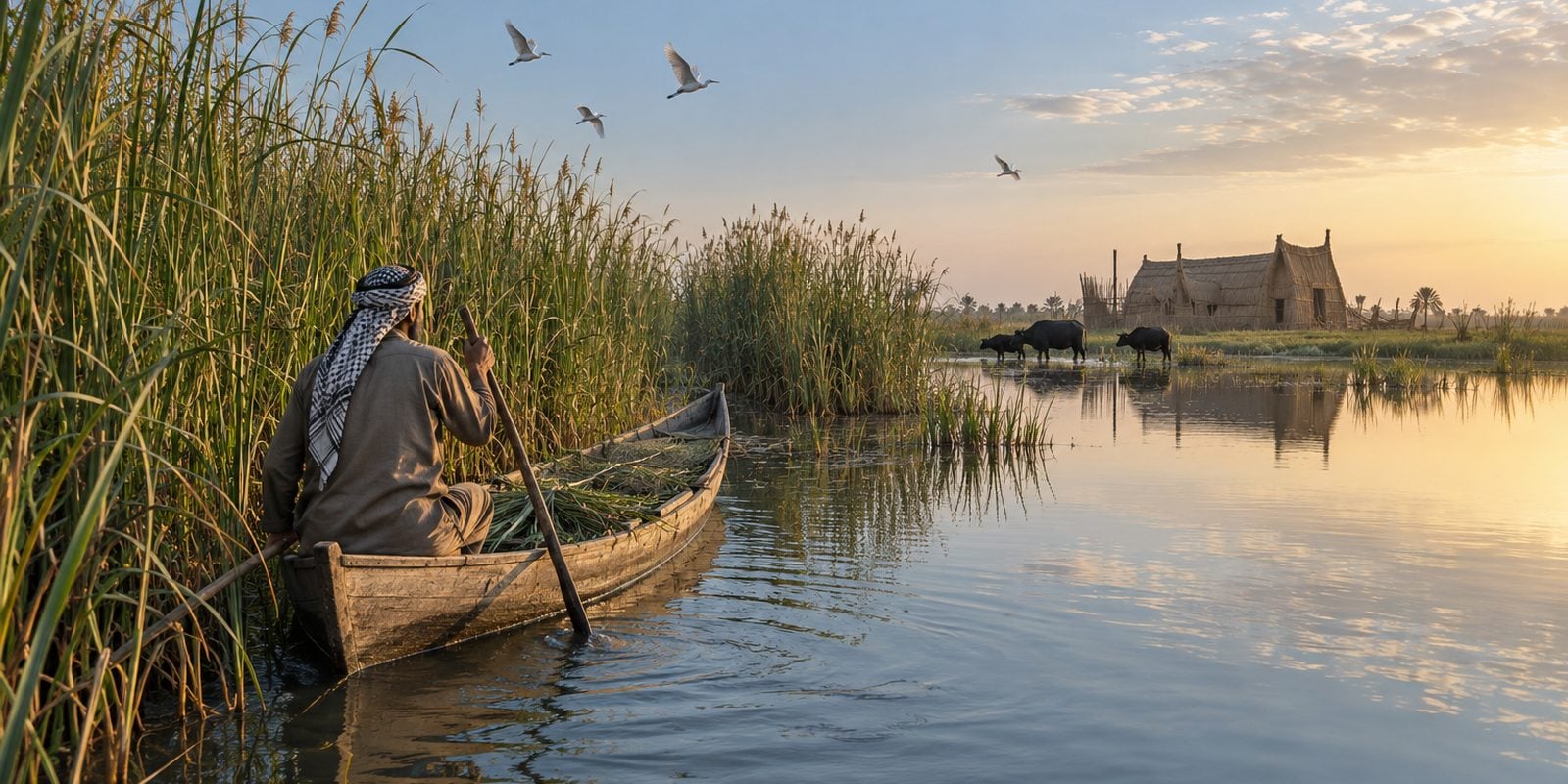
The marshes of southern Iraq: waterways and reed forests listed as a World Heritage site, where a boat tour is the highlight.
Vast waterways, reed forests and traditional communities living on the water: the Marshes of southern Iraq are listed as a World Heritage site. The highlight is a boat tour through the reeds, with a chance to see water birds and the traditional way of life of the people who live there. It is a completely different experience from the city and deserves at least half a day.
- It is best to set off early to enjoy the soft light and watch the birds.
- Use a local guide or an organized tour, as the waterways require knowledge of the area.
- Bring sunscreen, a hat and light long-sleeved clothing.
- Respect the residents’ privacy, and ask permission before photographing people.
- Agree in advance on the length of the tour and the departure and return point, and ask whether life jackets are available on the boat.
Seventh
Where to eat in Basra
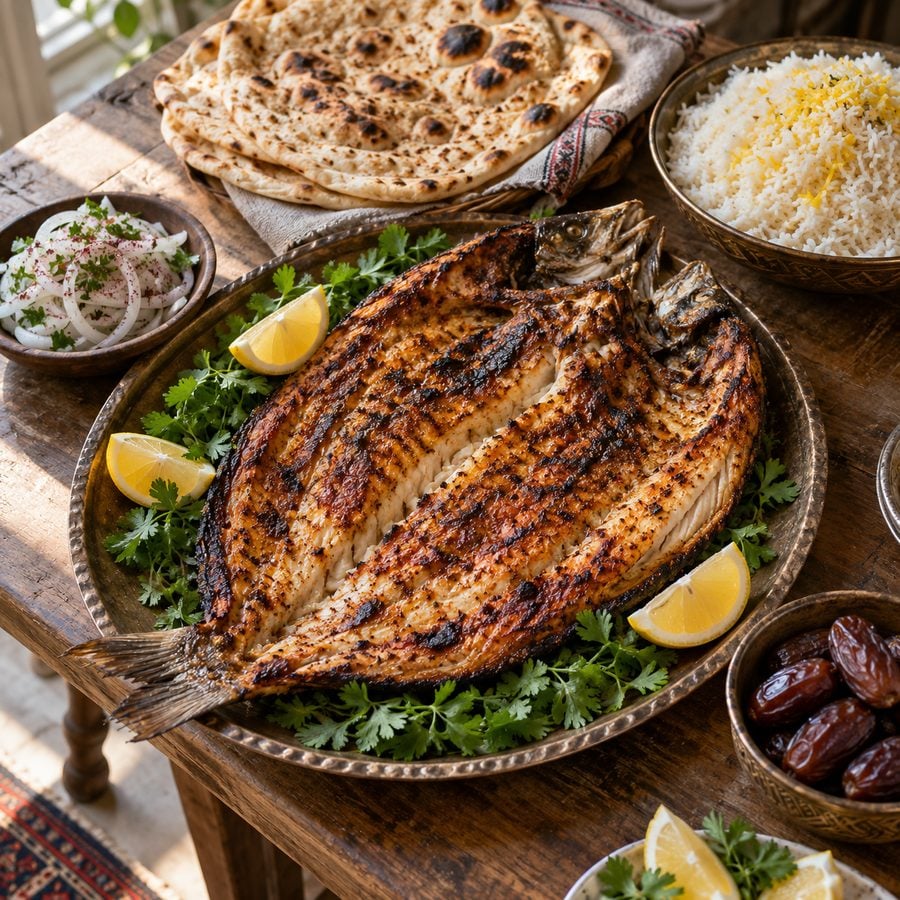
Basra is a river and sea city, so fish features strongly on its tables, most famously masgouf fish grilled over wood, alongside rice, stews, Iraqi kebab and fresh tannour bread. Do not leave without tasting Basra dates , for which the city has been famous since ancient times, with Iraqi coffee or tea.
Food is generally halal throughout the city, and restaurants and cafes cluster near the Corniche and in the main commercial areas. Choose restaurants busy with locals, as they are usually the tastiest and cleanest, and drink only bottled water. Because we have not verified a list of specific restaurants currently operating, we mention only dishes and areas; ask your hotel for its recommendations.
In the city’s markets:
- Ashar market is one of the city’s best-known markets and a good place to buy dates, spices and simple gifts.
- Taste the varieties of dates before buying, and ask for packaging suitable for travel.
- Carry cash in local currency; bargaining is accepted in many shops.
- Watch your belongings in crowds.
Budget
How much does a trip to Basra from Saudi Arabia cost?
An approximate estimate in for a 4-day (3-night) trip at summer season prices, with a good hotel in a safe, well-known area (a shared room for young travelers and a private double room for couples), a private driver and a Marshes tour:
Approximate cost of a 4-day trip in
| Item | Young travelers (per person) | Couple (for two) |
|---|---|---|
| Round-trip flights | 1,600–3,300 | 3,200–6,600 |
| Accommodation, 3 nights | 300–600 | 600–1,200 |
| Food | 200–400 | 400–800 |
| Transport and tours (private driver) | 400–800 | 600–1,200 |
| Internet and miscellaneous | 100–300 | 150–400 |
| Approximate total | 2,600–5,400 | 5,000–10,200 |
Estimated figures for the summer (peak) season as of September 2026: young travelers per person in shared accommodation, and couples for two in a private double room, at an exchange rate close to 349 dinars per riyal. Costs vary by departure city, booking date, type of accommodation and availability of direct flights. Shopping and visa fees are not included. Summer is extremely hot in Basra, while flights in winter (the best season to visit) are usually cheaper.
Carry enough cash, as card payment is not available everywhere, and exchange money at well-known exchange shops or at the hotel.
Ninth
Traveling by road and vehicle insurance
If you will travel in your own car, make sure you have valid vehicle insurance for Iraq such as Arab Shield insurance, prepare your complete vehicle papers, review the crossing conditions at the border before setting off, and check the visa procedures at that crossing itself.
Plan rest and fuel stops along the road in advance, do not drive at night on long roads, and keep copies of your documents on your phone.
Before you travel
Visiting etiquette and what to bring
Basra is a conservative and hospitable city, and respecting local customs makes your experience easier. Modest clothing is appropriate everywhere, especially in markets and rural areas.
What to carry in your day bag:
- A copy of your passport and visa alongside the originals.
- Cash in local currency.
- Water, sunscreen and sunglasses, even in the milder months.
- A power bank for your phone, especially on the Marshes day.
- Contact numbers for your hotel and driver, and the details of the Saudi embassy.
- Travel insurance that covers medical emergencies throughout the trip.
If you are looking for other nearby trips for a short holiday, read 7 nearby destinations for a 4-day trip, and to be ready for any emergency: The most common travel problems and how to avoid them.
Quick answers
Frequently asked questions
What is the best itinerary for Basra?
One day for the museum, the shanashil and the Corniche, one day for Qurna and the Marshes, and one day for the markets and dates. Two days are enough if you combine the city into one day.
How much does it cost to travel to Basra from Saudi Arabia?
At summer season prices, roughly 2,600 to 5,400 for a young traveler, and 5,000 to 10,200 for a couple, for four days including flights, depending on departure city, booking date and type of accommodation.
Do Saudis need a visa for Basra?
The instructions announced in 2025 allow GCC citizens a visa on arrival at Basra and Najaf airports. Check the Iraqi e-visa portal and the Saudi Ministry of Foreign Affairs travel advisories before traveling.
How long is the flight from Saudi Arabia to Basra?
From Riyadh there are currently no regular direct flights, so the trip takes about 4–6 hours with one stop. From Jeddah about two and a half hours on limited direct Iraqi Airways flights, or 4–6 hours with a stop. Check the schedules when you book.
When is the best time to visit Basra and the Marshes?
November to March, because summer is extremely hot, and the milder months are better for a Marshes tour.
Do I need insurance for my car if I travel by road?
Yes, make sure you have valid vehicle insurance for Iraq, such as Arab Shield insurance, and review the border crossing conditions before traveling.
Our services
Plan your trip with us
Official sources for further reading
Iraqi e-visa portal · Saudi Ministry of Foreign Affairs
Planning a visit to Basra?
We prepare your travel insurance, vehicle insurance and internet SIM before your trip. Contact us by phone or WhatsApp on our unified number.
Note: Entry requirements and travel advisories may change, so check with the official authorities before traveling. The information in this article is up to date as of September 2026.