
Practical guide · Driving in Europe
Last updated: September 2026 · By the Traveler.sa Destinations Team · Reading time: 9 minutes
Driving in Europe is an enjoyable experience that opens up mountain roads and coastal villages that trains do not reach, but its laws and habits differ from one country to another, and fines may reach you after you return home through the rental company. Here are eight practical tips to drive confidently from day one, with tables of speed limits, road tolls and the most common violations and how to avoid them.
The short answer
Get an International Driving Permit to go with your Saudi licence, stick to speed limits because cameras are everywhere and limits vary between countries, watch out for restricted traffic zones in Italian city centers and elsewhere, buy a motorway vignette in Austria and Switzerland, pay tolls at the booths in France, Italy and Spain, use official parking only, and save the emergency number 112.
First
Get an International Driving Permit
Many European countries and rental companies require it alongside your Saudi licence, and a traffic officer may ask for it at any stop. Always carry it with your original licence and passport, as the international permit is a certified translation of your licence and does not replace it.
Option one
Saudi Automobile Federation permit
The international permit issued through the Saudi Automobile Federation.
Second
Stick to speed limits
Speed limits vary between countries, and between motorways, rural roads and city centers. Speed cameras are widespread, both fixed and mobile, some countries measure average speed between two points, and fines are sent across borders because EU countries exchange road-safety violation data.
General motorway speed limits (km/h)
| Country | Motorway | Note |
|---|---|---|
| France | 130 | 110 in rain. |
| Germany | No general limit | 130 recommended speed, with many limits shown on signs. |
| Italy | 130 | Lower in rain. |
| Spain | 120 | — |
| Austria | 130 | Lower limits on some sections. |
| Switzerland | 120 | Fines are very high. |
| Netherlands | 100 during the day | 130 at night where signs allow. |
General indicative values for private cars; road signs are always the reference, and within cities the limit is usually 50 km/h or less.
Practical tip
Watch the speed signs when crossing the border between two countries, as the limit may change right after the crossing point without further warning.
Third
Understand roundabout rules
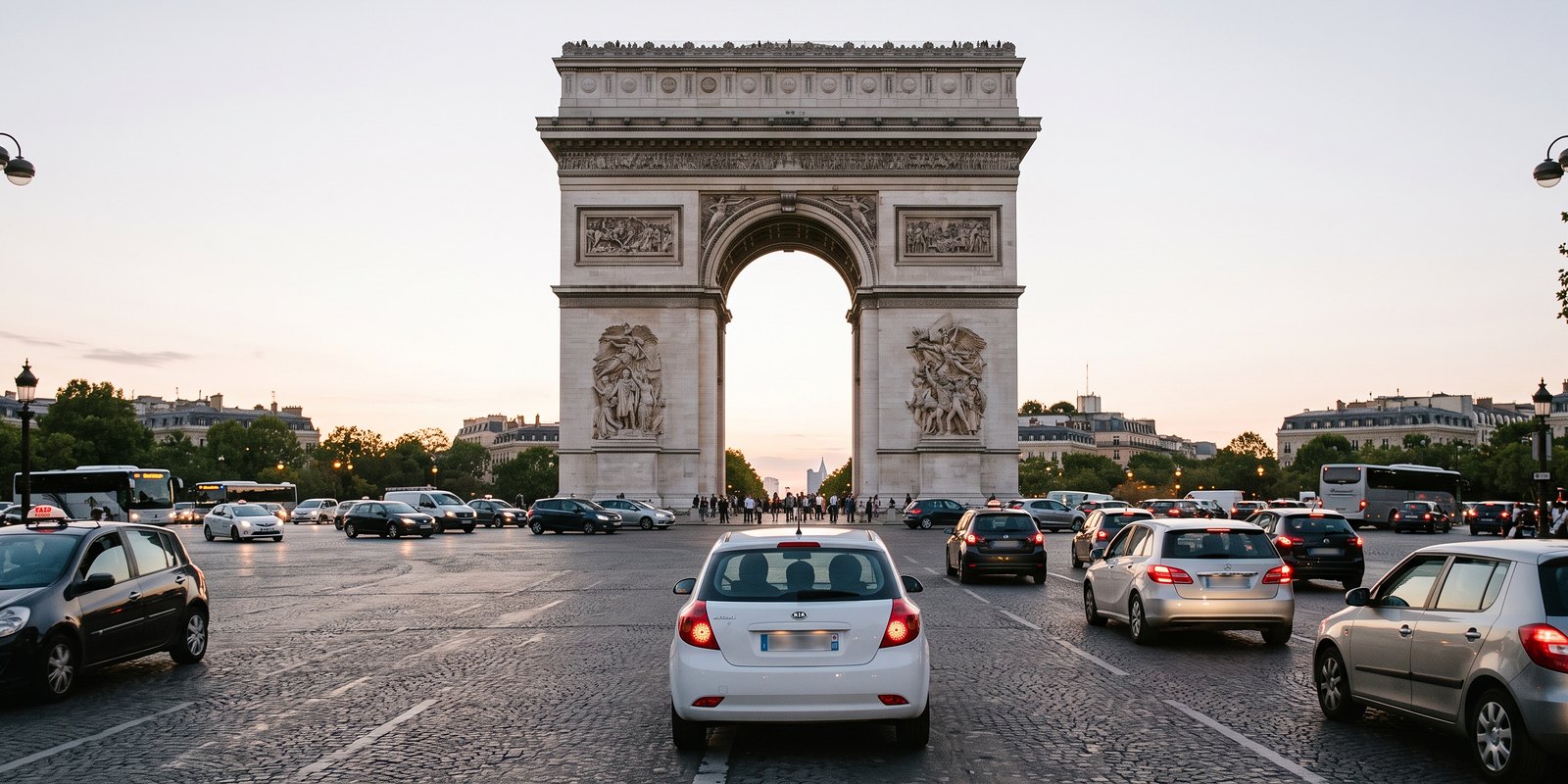
Arc de Triomphe roundabout, Paris: traffic from the right has priority, so slow down.
Traffic drives on the right in most European countries, and on the left in the United Kingdom, Ireland, Malta and Cyprus. Priority usually goes to those already inside the roundabout, and use your indicator when exiting. In busy cities roundabouts have multiple lanes, so choose your lane before entering according to the exit you want.
Fourth
Watch out for restricted traffic zones
Many historic cities, especially in Italy, have zones where cars may not enter without a permit; violations are caught on camera and reach you automatically through the rental company. Other cities apply low-emission zones that require a sticker or prior vehicle registration.
To avoid this:
- Ask your hotel whether it is inside a restricted zone and whether it provides a permit for guests.
- Park outside the historic center and get around inside it on foot or by public transport.
- Do not rely on your navigation app alone; watch the signs at the entrances to old towns.
Fifth
Vignettes and road tolls
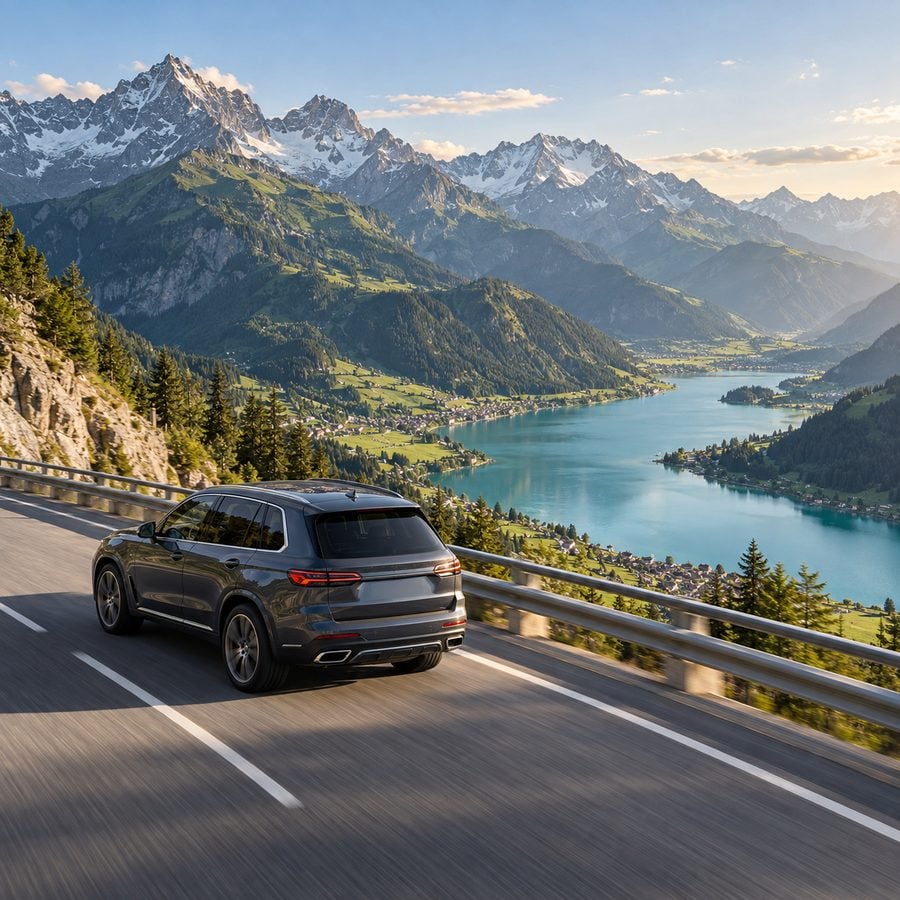
There is no single way to pay road tolls in Europe: some countries require a vignette or electronic registration of your plate before entering the motorway, others collect tolls at booths on the road, and others charge no tolls for private cars on most of their roads.
If you rent your car in one country and will drive in another, check whether the vignette is included or whether you must buy it online before entering, and buy it only from the official website or authorized outlets to avoid third-party sites.
| Country | Toll system for private cars |
|---|---|
| Austria | A sticker or digital vignette linked to your plate (1 day, 10 days, 2 months, 1 year) via ASFINAG. |
| Switzerland | An annual electronic vignette linked to your plate via the official Via portal. |
| France, Italy and Spain | Tolls at booths on paid motorways, by card or cash. |
| Germany | Usually no tolls for private cars on motorways. |
Systems and prices change, so check each country’s official website before your trip.
Sixth
Use official parking
Stick to designated and paid parking, and pay attention to signs and road markings to avoid fines or towing. Many cities use payment apps or card machines, and some parking areas require a parking disc showing your arrival time.
Seventh
Have the safety equipment ready
Three rules apply in all EU countries: seat belts are mandatory, suitable child seats are mandatory, and phones may only be used while driving with a hands-free system. Some countries add requirements such as a reflective vest and warning triangle, winter tires or chains on mountain roads in winter, and daytime running lights.
Rental cars are usually equipped, but check for yourself on pickup, especially if you will cross into a country with different requirements.
Eighth
Know your fuel type
Check the right fuel type for the car before filling up, as mixing up diesel and petrol is costly. Some stations are self-service and card-only, especially at night and on rural roads, and may place a temporary hold on your card before you fill up.
Avoid them
The most common violations and how to avoid them
Most fines that reach Saudi tourists after they return home recur for the same reasons, and the rental company usually adds an administrative fee on top:
| Violation | How to avoid it | What to do if it happens |
|---|---|---|
| Speeding | Watch the signs, not just your navigation app. | Pay within the deadline to avoid a higher fine. |
| Entering a restricted zone | Park outside the historic center. | Ask the hotel whether it registered your plate in advance. |
| No road vignette | Buy it officially before entering the motorway. | Pay the fine, then buy the vignette immediately. |
| Illegal parking | Use official parking and apps. | Review the notice and pay via the official channel. |
| Phone use while driving | Mount your phone and use hands-free. | Do not argue with the traffic officer, and ask for a receipt. |
Fine amounts and procedures vary from country to country.
Emergencies
What to do in an accident or breakdown
Preparing in advance makes handling any emergency much easier:
- Stop the car in a safe place, turn on the hazard lights, and put on the reflective vest before getting out.
- Place the warning triangle behind the car at a sufficient distance.
- In an emergency, call the European emergency number 112.
- Contact the rental company immediately and follow its instructions regarding the report and repairs.
- Photograph the accident scene and the damage, and keep the other party’s details if any.
Before traveling, check what your travel insurance covers, what the car insurance provided by the rental company covers, and the excess you will pay in case of damage.
Driving in winter and on mountain roads
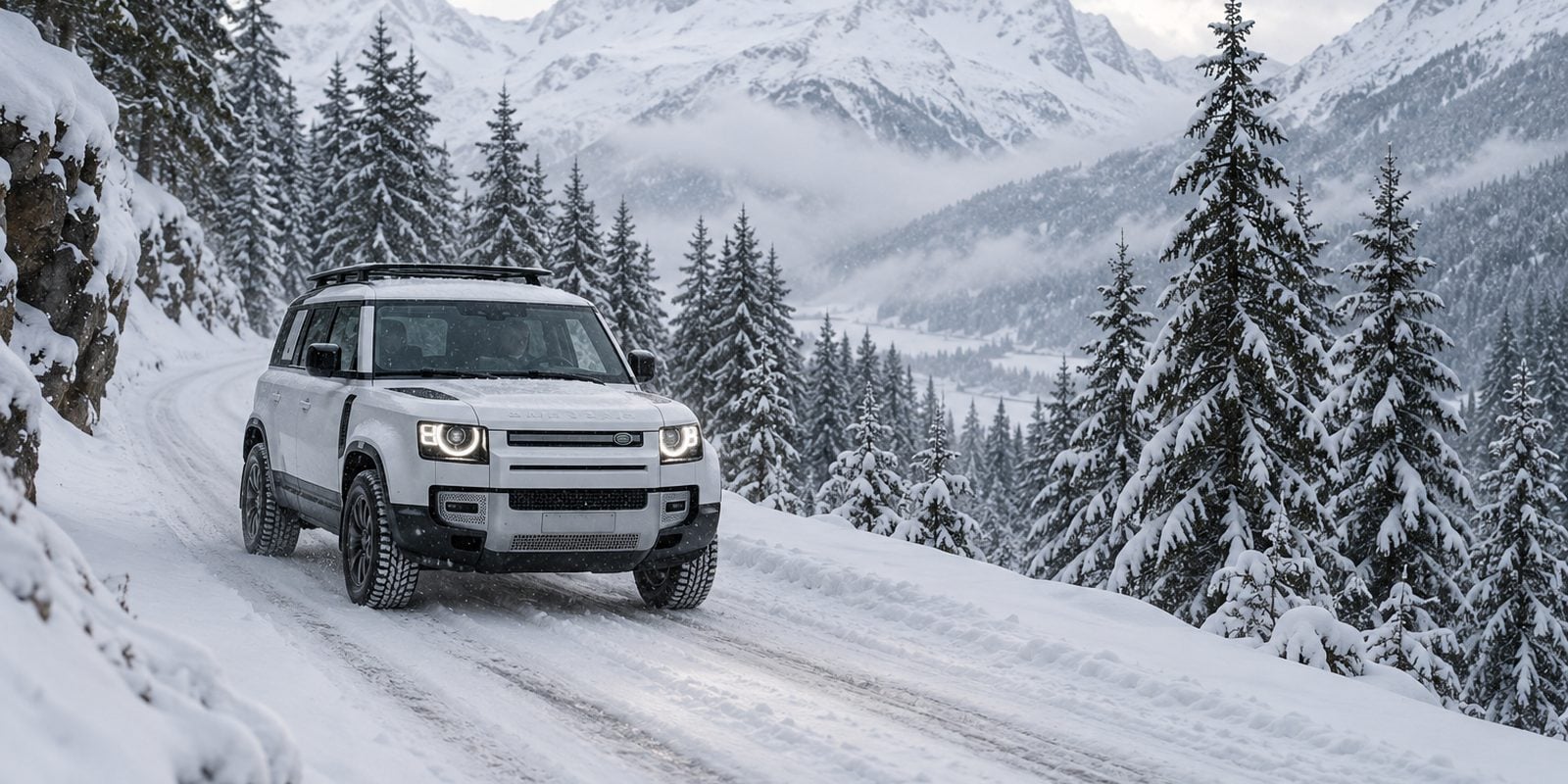
Mountain roads in winter require suitable tires, lower speeds and extra time.
Mountain roads in the Alps and elsewhere have stunning scenery, but they require extra caution: sharp bends, long descents and weather that changes quickly. Use a low gear on descents instead of relying on the brakes alone.
In winter some countries require winter tires or chains on certain roads, and some mountain passes may close temporarily. Check road conditions before setting off, and allow extra time for the journey. For winter ideas, see Winter sports in Europe.
Crossing borders by car and the EES
Traveling between Schengen countries by car does not usually involve fixed checkpoints, but always carry your passport and licence because random checks are possible. When entering the Schengen Area from outside by land, you will go through the European Entry/Exit System (EES), fully operational since 10 April 2026, which records your fingerprints and facial image on first entry, so expect longer waits at land crossings during peak seasons.
When picking up the car
Quick inspection checklist
Before leaving the rental company’s lot, check these points:
- Photograph the car from all sides and document any existing scratches or damage.
- Check the fuel type and level and the refueling policy on return.
- Ask about the vignettes and permits required in the countries you will cross.
- Review what the insurance covers and the excess amount.
- Make sure the reflective vest and warning triangle are in the car.
Read also Advantages and conditions of renting a car in Europe, and you can book your car in advance. For a driving trip between lakes and mountains, see the Zell am See guide.
Quick answers
Frequently asked questions
Is my Saudi licence alone enough to drive in Europe?
Many countries and rental companies usually require an International Driving Permit alongside it, so get one before you travel.
Will fines reach me after I return home?
Usually yes, through the rental company, which may charge an additional administrative fee on top of the fine.
What are the motorway speed limits in Europe?
They vary by country, mostly between 100 and 130 km/h; Germany has sections with no general limit and a recommended speed of 130, and road signs are the reference.
Do I need a motorway vignette?
In Austria and Switzerland, yes: a sticker or electronic plate registration, while France, Italy and Spain collect tolls at booths.
Which side of the road do people drive on?
On the right in most European countries, and on the left in the United Kingdom, Ireland, Malta and Cyprus.
What number do I call in an emergency?
The European emergency number is 112, and it works in all EU countries.
Read also
Articles you may like
Our services
Prepare your trip with us
Official sources for further reading
Your Europe portal: road rules · ASFINAG: Austria motorway vignette · Official Swiss Via portal · Official European travel portal
Driving in Europe?
We arrange your International Driving Permit, insurance and visa before you travel. Contact us by phone or WhatsApp on our unified number.
Note: Traffic laws and driving requirements vary from country to country and may change, so check with the official authority and the rental company before traveling. The information in this article is updated to September 2026.